

The Best Restaurants in Umm Suqeim
Umm Suqeim has no single restaurant street. Its most accomplished dining rooms are dispersed along the coast, from Jumeirah Al Naseem’s gardens and turtle lagoon to the waterfront at Jumeirah Marsa Al Arab.
The two resorts represent different chapters in the neighbourhood’s dining scene. Jumeirah Al Naseem is home to the longer-established names, while Jumeirah Marsa Al Arab, which opened in March 2025, has brought a newer group to the beach. With the Burj Al Arab undergoing an 18-month phased restoration, these neighbouring hotels now account for many of Umm Suqeim’s strongest choices.
What follows is a concise guide to the best restaurants in Umm Suqeim, selected for their cooking, setting and provenance.
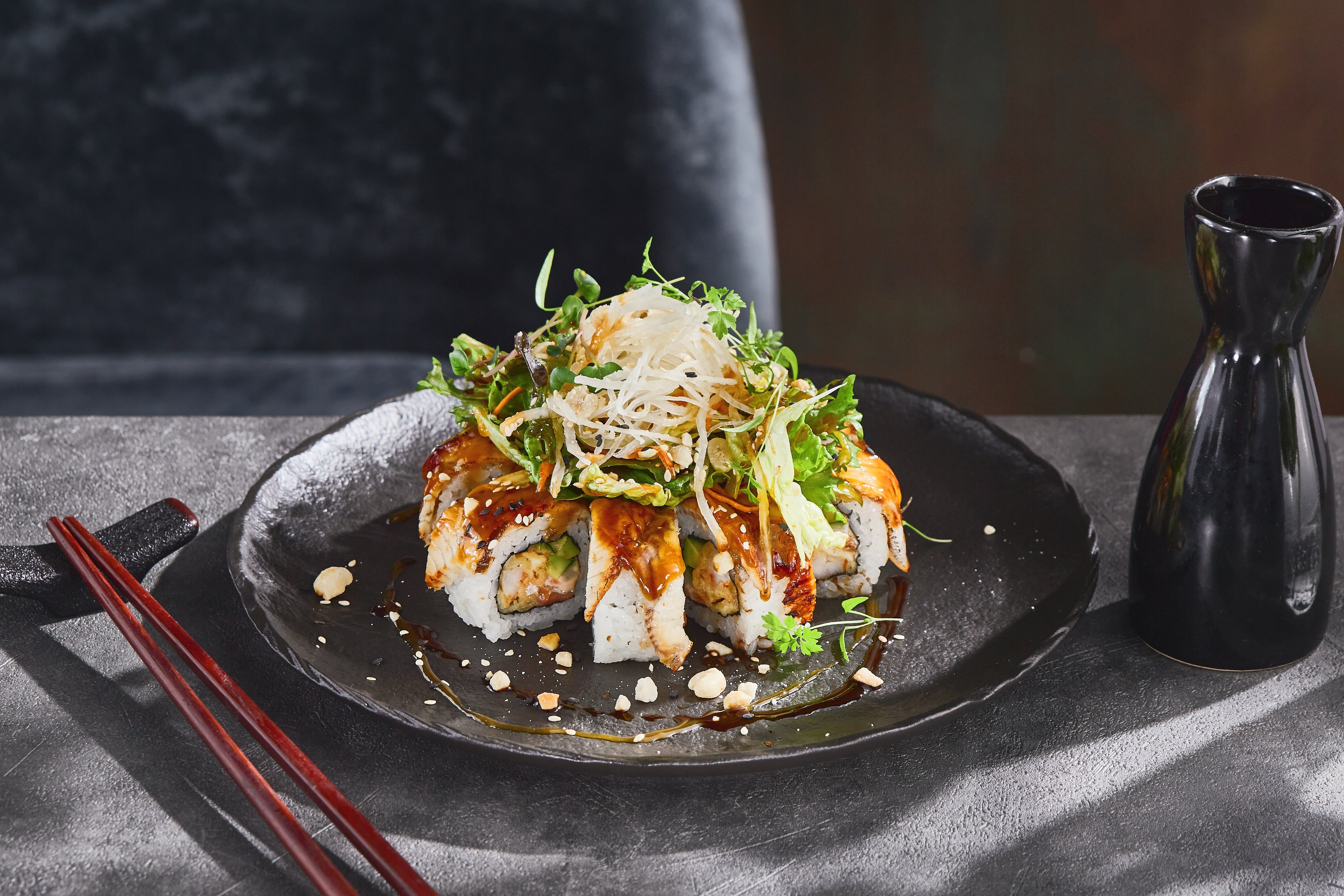
Kayto
Set amid Jumeirah Al Naseem’s lush gardens, Kayto brings Japanese technique to the bright acidity and chilli warmth of Peru. The dining room is moderately polished, and the greenery beyond the windows lends lunch a softer character than dinner.
The menu is best approached through several smaller dishes. Tuna truffle ceviche, lobster wasabi tacos and wagyu anticucho tacos make a confident opening, followed perhaps by saikyo miso black cod or marinated sea bass with creamy ají amarillo rice. For a fuller account of the kitchen, the tasting menu runs through the restaurant’s Nikkei signatures. Japanese whisky, pisco and teas including sencha, gyokuro and hojicha give the drinks list the same dual identity.
Il Borro Tuscan Bistro
Il Borro’s outpost beside the turtle lagoon feels particularly well suited to Al Naseem. The refined dining room opens onto a waterside terrace. Its connection to the Ferragamo family’s Tuscan estate gives the restaurant a clear sense of place.
The kitchen receives organic extra-virgin olive oil, honey and selected vegetables from the estate’s Orto del Borro. Handmade tagliatelle with truffle is a particular menu highlight, whilst lobster tagliolino and the slow-cooked short rib known as peposo lean into richer Tuscan cooking. The wine list is equally considered, drawing heavily on Il Borro’s own labels and Tuscan grapes. A signature Martini and barrel-aged cocktails offer a well-judged alternative at the bar.
Flamingo Room by tashas
Flamingo Room is one of Al Naseem’s most recognisable dining rooms. Pastel-pink walls, marble planters, tropical greenery and turquoise upholstery give the interior its polished African glamour, whilst the white, leaf-like ceiling light brings a touch of theatre. Beside the turtle lagoon, it works especially well for a celebratory lunch or drinks before dinner.
South African influence appears most clearly in calamari Mozambique, finished with lemon butter and peri-peri sauce. Prawn arancini, lobster pasta and exotic-mushroom open lasagne broaden the menu, with the flambéed Baked Alaska providing a suitably old-fashioned finish. The blush-pink house cocktail combines London dry gin, Lillet Rosé, raspberry and lemon; Little Savannah pairs strawberry gin with rooibos for a lighter counterpoint.
MayaBay
MayaBay began in Monaco in 2005; its Dubai restaurant retains that cosmopolitan character. Beside Al Naseem’s turtle lagoon, dark timber, deep red accents and Asian detailing make the room intimate. The adjoining bar keeps it lively after dinner.
Thai and Japanese dishes share the menu, each having its individual character. Dim sum, tempura and sushi can lead into aromatic curries, whilst Tiger Tears and Maya Crispy Duck remain the house signatures. The drinks menu shows similar breadth. Citronellini blends Champagne and vodka with lemongrass, lychee and green tea, while the Gokan collection ranges from a wasabi gimlet to a Mango Sticky Rice cocktail. For a quieter finish, Japanese tea is served in handmade Tokoname-yaki clay pots from Aichi.
Beefbar
Riccardo Giraudi’s Monte-Carlo concept is more playful than a conventional steakhouse. The contemporary dining room and lagoon-facing terrace feel refreshingly indulgent. Colourful emoji plates by French porcelain house Bernardaud complement the overall feel.
The most distinctive dishes arrive before the steaks. Smoked Kobe beef fills a bao bun, Kobe and Angus are folded into shawarma with tahini, and ribeye is cured as prosciutto. These smaller plates borrow familiar street-food forms but give the meat careful attention. For those who prefer a more traditional sequence, larger cuts are served with smooth mash. Separate wine and bar lists extend the same sociable character, allowing the table to graze and share before settling on a steak.
KIRA
At Jumeirah Marsa Al Arab, KIRA combines Japanese restraint with Mediterranean warmth. Handmade details and terracotta tones soften the open kitchen, while broad windows and the terrace look towards the coast. Next door, LITT offers a livelier continuation to the evening.
The sharing menu draws confidently from both traditions. Hamachi carpaccio is served with lemon-thyme ponzu, wagyu ragù gyoza with a cacio e pepe dip, and warm prawns with caviar and ume brown butter. The same interplay continues in the larger dishes: Chilean sea bass risotto carries notes of yuzu and shiso, and smoked wagyu short rib comes glazed with Japanese barbecue sauce. KIRA has its own cocktail list and extensive wine menu, with LITT providing another option for drinks after dinner.
Iliana
On the beachfront at Jumeirah Marsa Al Arab, Iliana’s light-toned interior and natural finishes open towards the sea. The terrace is particularly inviting before sunset, when the changing light brings its Greek-island references into sharper focus. During the summer closure of the rooftop, lunch and dinner continue in the main dining room.
The menu centres on dishes for the whole table. Homemade tarama, tzatziki, melitzanosalata and htipiti make a natural beginning, followed by feta in crisp filo with thyme honey, grilled octopus over fava and whole fish chosen from the counter. Moussaka and lamb chops offer something more substantial. The drinks remain firmly rooted in Greece, with the Iliana Sour pairing Sigalas tsipouro with lime, alongside a selection of Greek wines and tsipouro highballs.
The Cullinan
At Jumeirah Marsa Al Arab, The Cullinan looks across the Gulf towards the Burj Al Arab. Tristan du Plessis’s nautical-influenced interior brings a formal steakhouse together with a more relaxed bar and lounge, though the restaurant’s purpose becomes clearest in its approach to meat.
Producers, feeding methods and marbling scores appear on the menu as practical guidance rather than small print. The principal choices include Blackmore full-blood wagyu, Rangers Valley beef and Japanese A5 wagyu from Saroma. Seafood and other mains give the table greater range, with lobster Thermidor and Dover sole meunière providing substantial alternatives. An extensive cellar is overseen by the sommelier, and the cocktail collection takes its names from the Cullinan diamond. Among them is the Star of Africa, built around rum, banana and coffee.
Umm Suqeim’s best restaurants are shaped by water rather than pavements. At Al Naseem, established dining rooms overlook the turtle lagoon, which lends lunch and dinner a quieter backdrop. Marsa Al Arab brings a newer group of restaurants to the beach and marina, with broad views across the Gulf. In both settings, however, the quality of the cooking, wine and service matters as much as the address.
The final choice depends on whether you prefer established favourites or recent arrivals. In Umm Suqeim, choices are wonderfully broad, cooking is mouth-watering, and the surroundings are a feast for the eyes.
Read More