

The DIFC Expansion and the Future of Living in Dubai's Financial Centre
When DIFC Square opened in March 2026, its 600,000 square feet of Grade A offices had already been fully pre-leased. Delivered ahead of schedule, the development added capacity at a time when demand for workspace within Dubai International Financial Centre remained strong. Across the road in Zabeel, a considerably larger phase of growth is now under way.
DIFC Zabeel District will occupy a 7.1 million-square-foot site and provide 17.7 million square feet of gross floor area, with an estimated gross development value exceeding AED100 billion. The masterplan will be delivered in six phases, with the first welcoming tenants in 2030 and development continuing through to 2040. Alongside commercial space, it includes residences, hotels, retail, education, cultural facilities and technology infrastructure.
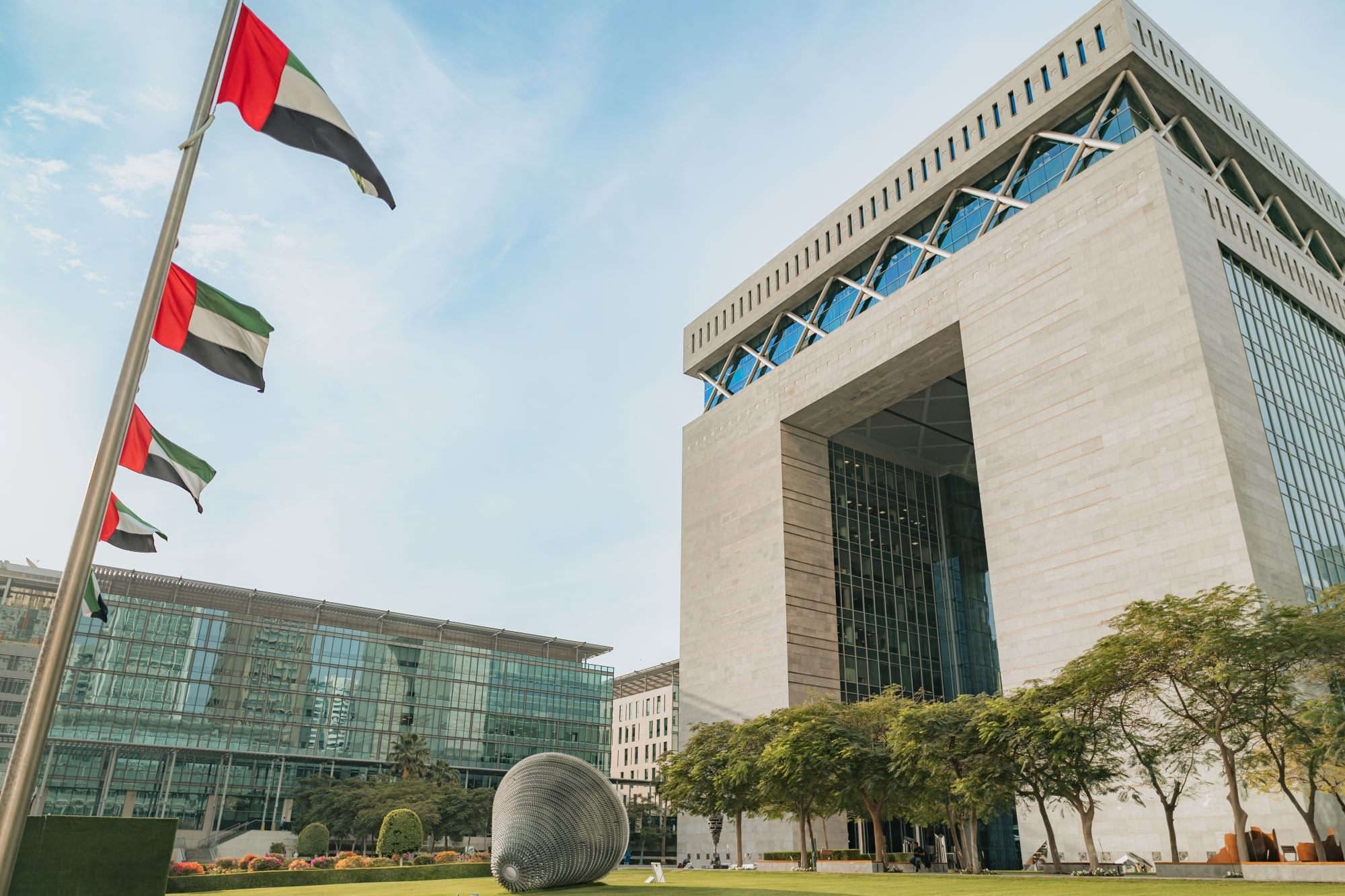
DIFC is therefore growing into a broader mixed-use district, bringing offices, homes and everyday services into the same part of the city. For property buyers, that creates several distinct options, from established addresses within the existing financial centre to new residences around its edges and homes in Zabeel itself.
Demand Behind the DIFC Expansion
DIFC’s recent operating figures help explain the scale of development now being brought forward. Its financial-services workforce reached 50,200 at the end of 2025 after 4,122 jobs were added during the year. Growth continued into 2026. By the end of June, active registered companies had reached 10,018, up 30 per cent year on year, while regulated financial-services firms rose to 1,134. AI, FinTech and innovation companies numbered 1,933.
Rather than meeting that growth through individual office developments alone, DIFC is now increasing capacity on a district-wide scale. Zabeel represents the longer-term stage of that expansion, giving the financial centre room to accommodate a larger business community while widening the range of activities around it.
Extending DIFC into Zabeel
DIFC Zabeel District is being developed beside the existing Gate District, extending the financial centre rather than creating a separate business quarter elsewhere in Dubai. A signature pedestrian bridge will connect the two, while the new district will combine commercial and residential buildings with hotels, retail and a conference centre. The intention is for Zabeel to operate as a continuation of the established DIFC.
The increase in capacity is substantial. Once developed, DIFC as a whole is planned to accommodate more than 42,000 businesses and a workforce exceeding 125,000. These figures indicate the scale for which the expanded financial centre is being designed and the breadth of activity it is intended to support.
Alongside that increase in scale comes a broader range of work. More than one million square feet has been allocated to an expanded Innovation Hub and purpose-built AI Campus, designed around the future requirements of more than 6,000 businesses and 30,000 technology specialists. Education will also occupy a larger place within the district. DIFC Academy is planned to expand tenfold to 370,000 square feet, giving it capacity for 50,000 learners each year.
As a result, Zabeel is being planned for a broader mix of people and uses throughout the day. Finance remains at its core, but technology, education, hospitality and residential activity will sit alongside it. Homes are therefore part of the district’s development from its earliest phases.
Homes Included from the Outset
Residential development is already included in Phase A of DIFC Zabeel District. In February 2026, DIFC launched The Residences, the first housing development within the new district. The project comprises 463 homes, ranging from one-bedroom apartments to four-bedroom duplexes, and the residences released for public sale were fully taken up at launch.
The launch showed immediate interest in residential ownership within Zabeel. As later phases are delivered, further homes will become part of a district whose commercial, educational and hospitality components are developing alongside them.
Meanwhile, buyers do not have to wait until 2030 for new residential stock in and around DIFC. Several projects are due to complete within the established financial centre and along its Za’abeel edge before the first phase of the wider extension opens.
The Residences Arriving Before 2030
At the upper end, Four Seasons Private Residences DIFC will comprise 61 residences and two penthouses, with homes ranging from 4,814 to 10,064 square feet. Handover is currently scheduled for the fourth quarter of 2028. Among the residences marketed by Dubai Sotheby’s International Realty is a four-bedroom home of 7,145 square feet, listed at AED 57.6 million at the time of writing.
The generous floor plans allow family and reception rooms, staff accommodation, and professional residential management to be housed within the same property. For owners who divide their time between Dubai and other cities, this offers substantial private space while keeping the residence's operations within a managed setting.
Development is also extending towards Za’abeel. Eden House Za’abeel comprises 252 residences, with apartments and penthouses ranging from 1,194 to 8,277 square feet and handover scheduled for the second quarter of 2029. Its position places it between the established financial centre and the area now developing beside it, with outlooks towards DIFC, Downtown Dubai, Emirates Towers and Za’abeel.
Buying in the Established District or Zabeel
Within DIFC today, a buyer can judge the routes that shape daily life, from the walk to an office to road access, nearby hotels and restaurants, neighbouring buildings and the outlook from the residence itself. Building management and residential services can likewise be assessed within a district that is already in daily use.
Zabeel offers a different point of entry. The district will be delivered in six phases, with the first welcoming tenants in 2030 and development continuing through to 2040. For an early buyer, this makes the location of a residence within the masterplan, its relationship to surrounding plots and the connections between different parts of the district especially relevant.
The choice therefore comes down to timing and preference. Some buyers may favour the established character of DIFC today, while others may be drawn to securing a home in Zabeel at an earlier stage of the district’s development.
How Location Shapes the Working Week
The expansion also gives greater weight to the practical value of living near DIFC. For someone whose working week is centred on the financial district, a nearby home can reduce repeated journeys across Dubai. The balance will vary from one household to another, particularly when school routes, airport access, staffing and the amount of time spent in the city are taken into account.
Managed residences answer some of those requirements in a particularly practical way. At Four Seasons Private Residences DIFC, for example, residential concierge and property management services form part of the offering. For an owner who travels regularly, that can make it easier to leave the residence under professional supervision while retaining substantial space for family life and entertaining.
A family based in Dubai throughout the year may place greater weight on school routes, room configuration or the way the home supports a full working week. In either case, the growing residential choice around DIFC allows buyers to place access, service and space in the order that suits their own routine.
A Financial Centre with a Broader Residential Future
DIFC’s expansion is changing more than the amount of commercial space available in the financial centre. Homes are arriving alongside new offices and services, while Zabeel extends that pattern on a much larger scale. The sequence is already visible, with DIFC Living due in 2026, Four Seasons Private Residences DIFC in 2028 and Eden House Za’abeel in 2029, followed by the first phase of DIFC Zabeel District in 2030.
For buyers, these dates create distinct residential choices within the same part of Dubai. The established financial centre offers a setting already in use, newer projects add further forms of managed city living, and Zabeel introduces homes within a district being planned on a considerably larger scale.
As DIFC extends into Zabeel, the address becomes more varied rather than simply larger. The important distinction will increasingly be where within the financial centre a home sits, when it becomes available and how comfortably it fits the way its owner expects to use it.
Read More