Published: 24 February 2026
For over a decade, Dubai has been the name on every property investor's radar. Its skyline, its lifestyle and its phenomenal transaction volumes have transformed the emirate into one of the world's most recognised real estate markets, and the numbers are almost impossible to argue with. In 2025, Dubai recorded more than 270,000 real estate transactions totalling AED 917 billion ($250 billion USD), a 20% jump in both volume and value from the year before and the market’s fifth consecutive record-breaking year.
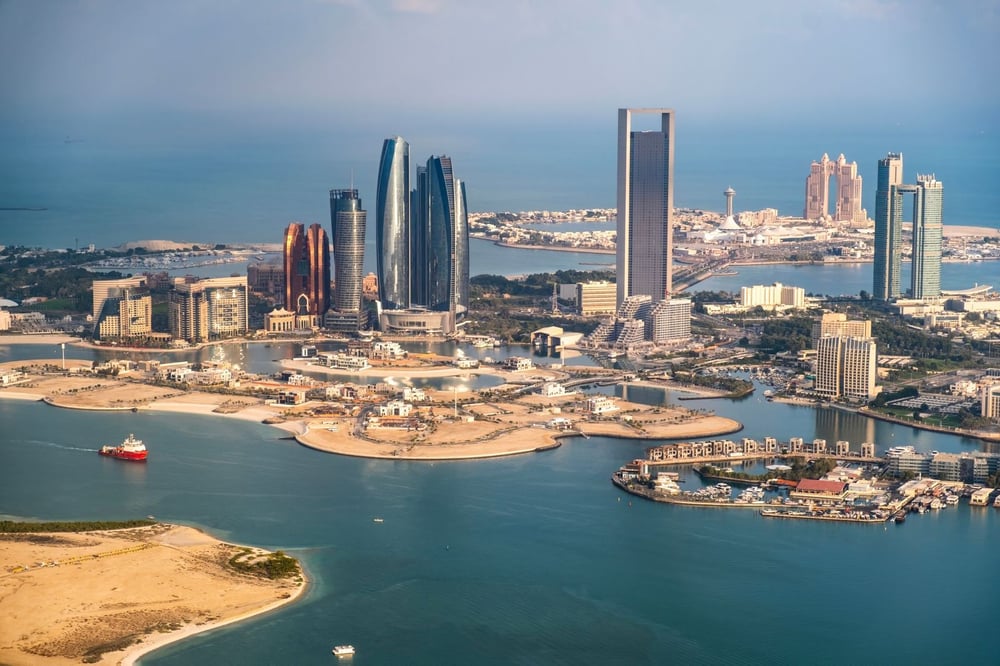
But while the world has been watching Dubai, something significant has been quietly taking shape 150 kilometres down the highway. Abu Dhabi, the UAE's capital and home to its sovereign wealth, is no longer content to be on the sidelines. A confluence of forces is driving a meaningful shift in where global capital is flowing, where the ultra-wealthy are putting down roots, and where savvy property investors are increasingly planting their flags.
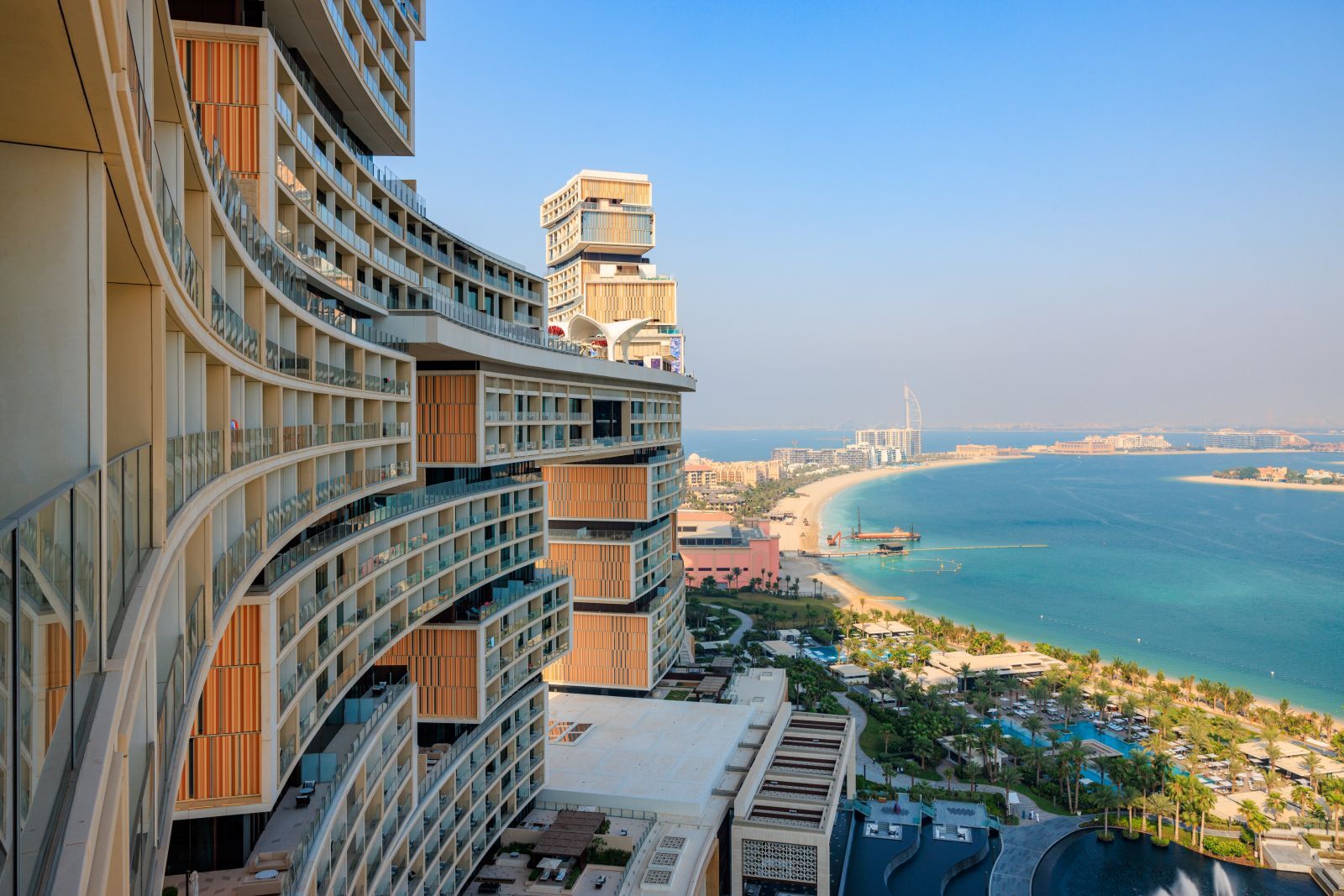
Dubai's Dominance: Still Very Much Intact
The rise of Abu Dhabi does not herald any change in Dubai’s dynamics. The emirate's real estate market grew sevenfold from 2020 to 2025, and 2025 marked its highest-ever quarterly sales in Q4, with transactions exceeding AED 187 billion in a single quarter. Sales of homes valued above $10 million reached 500 transactions, up 15% year-on-year. Both the luxury resale and off-plan markets continue to sustain their momentum.
What's changing is not Dubai's trajectory, but the story around it. The UAE is broadening its horizons to encompass more than one city alone, and the capital is starting to take its rightful place as a market leader in the nation’s next chapter.
Abu Dhabi's Numbers: Hard to Ignore
The raw data from Abu Dhabi's property market has turned heads across the region's investment community. According to the Abu Dhabi Real Estate Centre (ADREC), the emirate's real estate market recorded a total trading volume of AED 94 billion across 29,400 transactions in just the first nine months of 2025, representing a 43.3% increase year-on-year. By the close of 2025, that figure had grown to AED 142 billion in total transactions, a 47% increase over the prior year, according to market analysis from early 2026.
In the first half of 2025 alone, transactions exceeded AED 51 billion, representing nearly 40% growth compared to the same period in 2024. To put that in context, Abu Dhabi's real estate and construction sectors combined contributed AED 79.5 billion, or 24% of the emirate's entire non-oil GDP, in the first half of 2025.
Who's Buying — And Why
Perhaps most telling is who is buying. Abu Dhabi has become the UAE's second most popular destination for global wealth, and demand from high-net-worth individuals is accelerating sharply: 19% of global HNWIs surveyed said they intended to purchase a home in Abu Dhabi in 2025, up from just 14% the year prior. Among individuals worth between $30 million and $50 million, that figure climbed to 75%. For those worth more than $50 million, it was 65%.
A key part of Abu Dhabi's appeal to this cohort is simple: value. Average prices in Abu Dhabi sit around AED 1,250 per square foot, which is roughly 30% less than comparable property in Dubai. For ultra-high-net-worth buyers who can afford to be discerning, that gap represents significant opportunity, particularly as Abu Dhabi's price growth trajectory has been steep. Villa prices on Al Saadiyat Island have surged 28% year-on-year, while Yas Island villas are up 22%. Apartment values across Abu Dhabi rose 17.3% year-on-year in H1 2025, and the overall residential market is now 28% to 42% above its pre-pandemic 2020 levels depending on asset type.
Gross residential rental yields have held consistently between 5.9% and 6.3% over the past five years. This is a level of stability that attracts the yield-focused institutional investor as much as the lifestyle-seeking private buyer. A further 8–12% in price and rental growth for Abu Dhabi is forecast through 2026.
The Financial Engine Behind the Momentum
Every movement in the real estate market is ultimately driven by larger financial forces across the emirate. Abu Dhabi Global Market (ADGM), the emirate's international financial centre, reported a staggering 245% growth in assets under management in 2024 alone in comparison to just 35% growth the year prior.
ADGM's chief market development officer Arvind Ramamurthy has noted that family offices now see Abu Dhabi not just as a home base but as a global gateway. ADGM's Q4 2025 Abu Dhabi Finance Week saw institutions collectively representing USD 9 trillion in assets commit to establishing a presence in the financial centre.
Underpinning all of this is Abu Dhabi's extraordinary sovereign wealth ecosystem. The emirate manages roughly USD 1.7 trillion through institutions including the Abu Dhabi Investment Authority (ADIA), Mubadala, and ADQ, giving it the financial firepower to attract, support, and retain global firms at scale.
The Neighbourhoods Leading the Charge
On the ground, Abu Dhabi's growth is concentrated across a handful of rapidly evolving destinations. Al Reem Island has led in transaction volume, driven by mid-tier apartment activity and improving infrastructure, with prices rising 10.7% across half a year. Al Raha Beach has posted 11% price growth since H1 2024. Saadiyat Island, home to the Louvre Abu Dhabi and a growing Cultural District, remains one of the highest-priced submarkets at around AED 2,342 per square foot, with villa rents rising 31% in 2024 alone. The ultra-exclusive Nurai Island tops the market at AED 3,068 per square foot.
Looking ahead, Yas Island has the largest pipeline of new supply, with more than 8,000 units under development. The supply pipeline is substantial, with over 33,000 homes currently under construction and scheduled for delivery by 2029, though demand appears more than capable of absorbing it.
What's also drawing investors is a wider ecosystem of amenities and cultural infrastructure that Abu Dhabi has been deliberately constructing. The Louvre, Guggenheim (in development), Zayed National Museum, Formula 1, major music festivals, and world-class theme parks on Yas Island - including the recently announced Disneyland Abu Dhabi - have all contributed to a lifestyle proposition that now genuinely competes with Dubai's entertainment-led appeal rather than merely complementing it.
Reading the Shift Correctly
The narrative of a "wealth shift from Dubai to Abu Dhabi" requires nuance. This is not capital fleeing one emirate for another. Rather, the UAE's investor base is broadening, and Abu Dhabi is successfully claiming a larger share of global attention and global capital. The UAE is, increasingly, being evaluated as a single diversified investment landscape rather than a city-by-city binary choice.
What Abu Dhabi offers that is distinctly its own: proximity to sovereign wealth, a tighter and less frenzied supply environment, comparatively lower entry prices with strong yield stability, and a financial regulatory framework that has attracted some of the world's most sophisticated institutions at remarkable speed. For investors who arrived in Dubai a decade ago and reaped the rewards of its transformation, Abu Dhabi presents a market at a comparably early — and arguably more calculated — stage of that same arc.
Whether Abu Dhabi becomes a genuine rival to Dubai's dominance over the coming decade, or simply a complementary powerhouse within the UAE's broader proposition, is a question the data is beginning to answer. And for the first time, many of the world's wealthiest individuals, most respected asset managers, and most discerning property investors are paying close attention to both sides of that equation.