Published: 17 December 2025
In the world of private aviation, there is that sort of luxury that can’t be photographed; it is not present in the stitched leather or the cabin lighting, it is revealed when travel plans have already been shifted more than once, a meeting has been brought forward, and the itinerary is no longer a neat line from A to B.
NetJets has built its name on that end of the experience. Founded in 1964 and hailed for pioneering and formalising shared aircraft ownership as a structured model, it has spent decades treating private aviation less as a one-off transaction and more as an operating system. The point is to take operational uncertainty – aircraft availability, crew coordination – out of the systems and processes when logistics go off script – be it dispatch and crew standards or maintenance planning and service recovery.
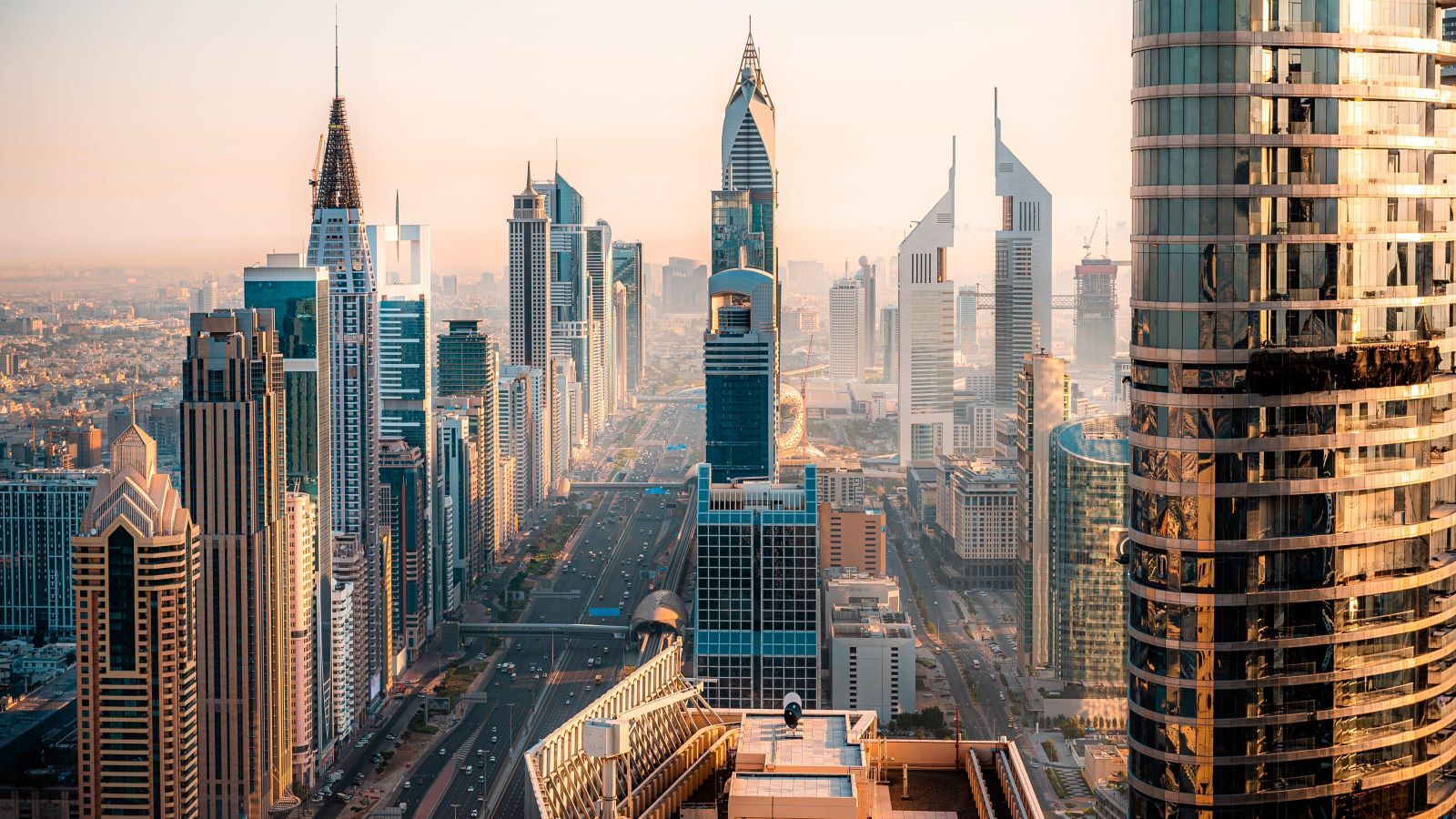
In Dubai, the principle sharpens with reliability becoming the real luxury when a diary compresses, meetings move, and travel decisions are made at short notice.

Why NetJets Lands Well in Dubai
Dubai operates in a highly international environment, with family offices, multinational businesses, and private investors working across multiple jurisdictions and often dividing their time between the Gulf, Europe, and North America. Notably, travel plans are rarely limited to a single point-to-point journey; in the majority of cases, they are part of broader commercial or personal itineraries.
In recent years, NetJets has observed a shift in how private aviation is used. The distinction between business and leisure travel has become less clearly delineated, with flights increasingly accommodating work, family commitments, and longer stays within a single journey. In practice, that shift raises the bar; it is no longer about flying on short notice, it is about delivering the same standard of outcome each time, with consistency, personalisation, and access across a wider range of destinations.
Against that backdrop, Dubai functions both as a destination and a working hub, connecting people, capital, and decision-makers across multiple markets, putting a premium on accessibility and flexibility.
The NetJets Model: Ownership, Without the Operational Burden
NetJets is the longest-standing private aviation provider and was the first to establish shared aircraft ownership as a structured product in the modern era. In practical terms, that distinction matters because fractional ownership only functions effectively when operational and logistic demands can be administered on a large scale, from scheduling and fleet interchangeability to crew training, maintenance planning, and service recovery when operations do not run exactly as planned.
The model is typically presented as a suite of options, including fractional shares and jet card-style access, designed to align with how often an owner flies and the distances involved. The underlying logic implies that the owner buys into a system that is meant to deliver the same standard of service and access each time, rather than taking on the operational weight that comes with managing an aircraft directly.
Middle East Presence: From Launch to Regional Growth
NetJets International officially rolled out its fractional programme to the UAE market in July 2019, presenting launch activity that spanned Abu Dhabi and Dubai.
During the same period, reports related to the company’s Middle East strategy suggested an expanding regional footprint, including plans to open a Dubai sales office, which at that time was expected to launch in early 2020, as a part of a longer-term growth strategy across the region. The practical significance of its “presence” in Dubai extends beyond a single objective; it provides local commercial coverage for owners, and eventually serves as a platform for repeated travel patterns into Europe, the UK, and beyond, rather than one-off charters negotiated each time.
The real value is not the novelty of flying privately; it is the ability to keep moving without travel becoming an exercise in constant coordination.
The Airport Decision: DXB versus DWC
The role of DWC – Al Maktoum International Airport – is deliberate and strategic, shaped by the sheer scale at which Dubai International (DXB) operates. The latter has welcomed 92.3 million guests in 2024, which is its highest annual traffic on record. Al Maktoum International Airport is designed for dramatic capacity rising over time, including a future pathway to 260 million passengers annually and a broader shift of operations as expansion progresses.
Within that context, the operational detail becomes the luxury cue. When an airport is under pressure, friction shows up everywhere, from slots and taxi times to the way minor delays cascade through a tightly packed week. NetJets’ planning guidance for Dubai flights approaches airport choice with pragmatism, where DWC is often preferred over DXB when traffic at the main hub is tight. For the owner, the reduction in airport-side bottlenecks is a consideration that ultimately tips the balance.
Fleet Investment as a Strategy, not a Headline
Demand surges in private aviation have a way of exposing weak infrastructure. Strong operators respond by putting capacity, staffing, and process ahead of aggressive selling.
NetJets has announced operating at materially higher flight volumes than pre-pandemic levels, and responded with fleet growth, talent acquisition, and operational streamlining, while deliberately slowing sales to protect service levels under pressure.
That instinct to plan capacity ahead of demand has precedent. In 2012, Bombardier, the Canadian aerospace manufacturer, secured a major business-jet agreement with NetJets, covering firm orders and options across the Challenger aircraft family. At the time, the deal represented the largest order in Bombardier’s history. Yet headline numbers are secondary; what builds confidence over time is a system that can accommodate growth without eroding reliability or service quality.
Philanthropy and Sustainability as Structured Commitments
NetJets’ approach to philanthropy focuses on defined areas of engagement. The company has publicly outlined partnerships that focus on community support, aviation-related initiatives, and employee-led involvement. During the pandemic period, NetJets reported investing more than $20 million annually in its global COVID-19 response. Measures covered included enhanced multi-tiered aircraft cleaning protocols, expanded safety and testing programmes for crew, and implemented targeted community support initiatives, including deployment of aircraft to transport essential medical equipment to hospitals.
On the environmental side, NetJets has acknowledged the intrinsic impact of private aviation and outlined its response to long-term operational shifts. The company is the largest purchaser of sustainable aviation fuel within the sector, supports SAF (Sustainable Aviation Fuel) production through industry partnerships, and runs voluntary carbon-offset programmes. Alongside fleet modernisation, NetJets continues to explore future low-emission technologies, as in 2022, it signed a non-binding memorandum of understanding with Lilium for the acquisition of up to 150 electric vertical take-off and landing aircraft, intended for short-range travel as a complement to its fleet.
For a Dubai-based owner, once the romance traditionally attached to private flights is set aside, what remains is execution, and NetJets’ Dubai relevance sits in that answer, in the discipline required to make it work every day.